
Proven Insights for Engaging Tattoo Experiences at https://89bet.tattoo/ in 2026
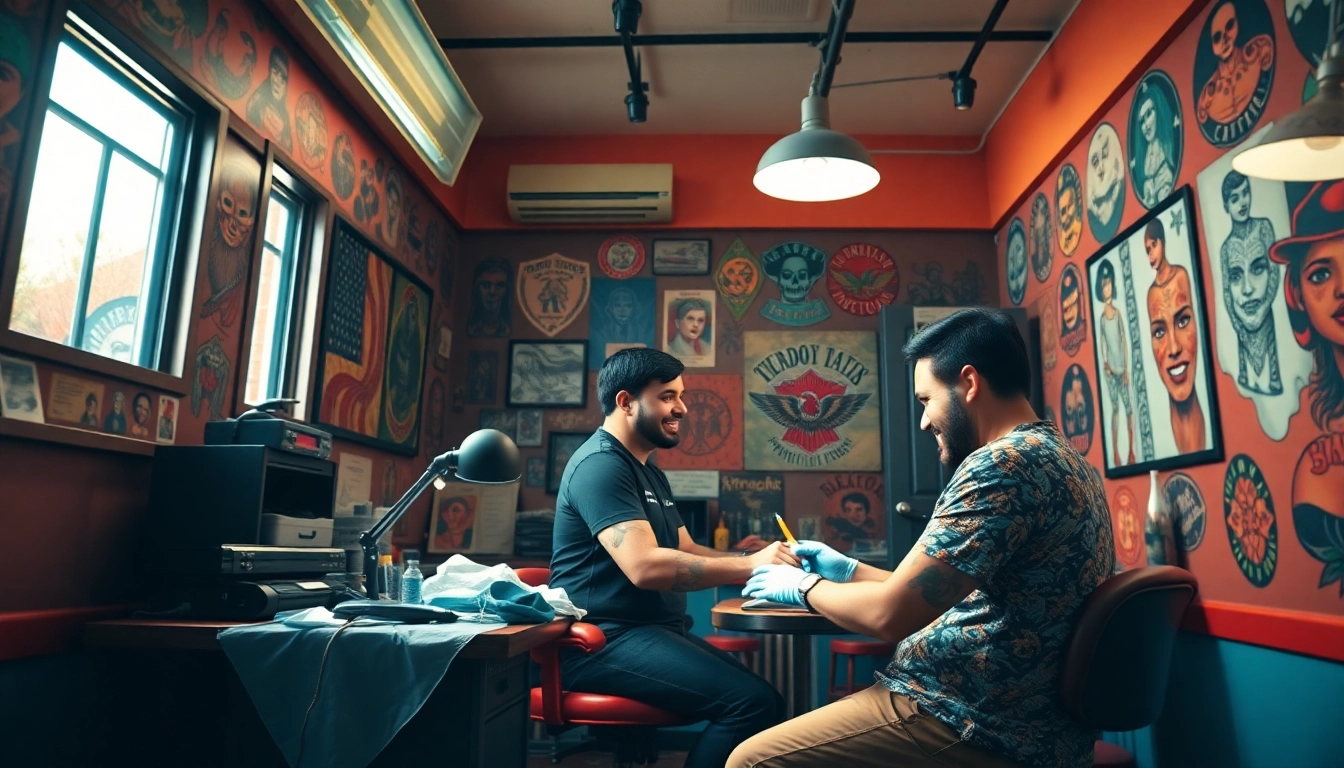
Understanding Tattoo Culture and Trends in 2026
Tattoo culture has evolved significantly over the years, reflecting broader societal changes and personal expressions. By 2026, this art form continues to blend tradition with modern influences, creating a vibrant tapestry of styles, techniques, and meanings. As more individuals embrace body art as an integral part of their identity, understanding these developments becomes essential for those involved in the tattoo community.
The Evolution of Tattoo Styles Over the Years
Tattoo styles have undergone remarkable transformations from tribal markings to contemporary artistry. Historically, tattoos served various functions, including spiritual and cultural significance. In 2026, we see a rich diversity of styles including traditional Japanese, realistic portraiture, and minimalist designs. These changes reflect the influence of global interconnectedness and the growing acceptance of tattoos in mainstream culture.
Key Trends Shaping the Tattoo Industry Today
- Customization and Personalization: Clients increasingly seek unique designs that reflect their personal stories.
- Sustainable Practices: Tattoo artists are adopting eco-friendly inks and materials, responding to environmental concerns.
- Technology Integration: Innovations such as augmented reality are enhancing the tattooing experience, allowing clients to visualize designs before application.
Understanding Client Preferences and Motivations
To effectively serve clients, tattoo artists must understand their motivations for getting inked. Many seek tattoos as a form of self-expression, while others view them as a means to commemorate significant life events. At https://89bet.tattoo/, individuals can explore a variety of styles and artists that cater to diverse preferences.
Selecting the Right Tattoo Artist at https://89bet.tattoo/
Choosing the right tattoo artist is a crucial step in the tattoo journey. With the proliferation of tattoo parlors, potential clients must navigate their options carefully to find an artist who resonates with their vision and style preferences.
Evaluating Artist Portfolios and Styles
When browsing potential artists, pay close attention to their portfolios. Look for a range of styles and techniques that align with your vision. A professional artist will often showcase their best work, reflecting their unique approach to tattooing. Consider reaching out to previous clients for testimonials to gauge the quality and consistency of the artist’s work.
Questions to Ask Before Committing to a Tattoo
- What is your experience with the specific style I am interested in?
- Can you provide references from previous clients?
- What is your process for ensuring hygiene and safety?
Importance of Hygiene and Safety Practices
Health and safety are paramount in the tattoo process. Ensure that the artist follows strict hygiene protocols, including the use of sterilized equipment and disposable materials. Don’t hesitate to ask about their practices to protect both yourself and the artist during the tattooing process.
The Tattoo Process: What to Expect
Understanding the tattoo process can help alleviate anxieties and ensure a smoother experience for first-timers. From the initial consultation to the aftercare, being informed will empower clients to make the best decisions for their tattoo journey.
Pre-Tattoo Consultation and Preparation Tips
A thorough consultation is essential for discussing design ideas, placement, and sizing. This is also the time to express any concerns regarding pain levels or aftercare. Come prepared with inspiration images and be open to the artist’s insights on design feasibility.
The Tattoo Application Process: Step-by-Step
- Design Finalization: Once the design is confirmed, the artist will prepare the stencil.
- Skin Preparation: The designated area will be cleaned and shaved if necessary.
- Tattooing: The artist will begin applying the tattoo, following the design.
Post-Tattoo Care for Optimal Healing
Proper aftercare is vital for ensuring the tattoo heals correctly and maintains its vibrancy over time. Artists typically provide detailed aftercare instructions, which may include keeping the tattoo moisturized, avoiding direct sunlight, and refraining from soaking in water for a few weeks. Following these guidelines will help you enjoy your new artwork without complications.
The Impact of Tattoos on Personal Identity
Tattoos are more than just skin deep; they play a significant role in shaping personal identity and expression. In today’s society, they can symbolize various aspects of one’s life, beliefs, and experiences.
Tattoos as a Form of Self-Expression
Many individuals view tattoos as an intimate form of self-expression. They serve as a visual language, communicating personal narratives and values. In 2026, tattoos are increasingly regarded as an accepted means of storytelling, with each piece reflecting unique life experiences.
Cultural Significance of Tattoos Worldwide
Across different cultures, tattoos carry profound meanings. From Polynesian tribal tattoos to traditional Chinese symbols, the significance of tattoos varies widely, often tied to cultural identity and heritage. Understanding these contexts can enrich one’s appreciation for the art form.
The Role of Tattoos in Today’s Social Context
Tattoos are becoming more mainstream, with celebrities and influencers openly showcasing their ink. This visibility contributes to the destigmatization of body art, fostering acceptance and promoting a diverse range of tattoo styles and meanings.
Future Directions in Tattoo Artistry and Technology
As we look ahead, the intersection of technology and tattoo artistry is set to reshape the industry further. Innovations will enhance both the artist’s capabilities and the client’s experience.
Innovations in Tattoo Equipment and Techniques
Advancements in tattoo equipment, such as digital tattoo machines, promise to improve precision and reduce healing times. Artists are exploring cutting-edge techniques that blend traditional methods with modern technology, potentially revolutionizing how tattoos are applied.
The Role of Social Media in Promoting Tattoo Art
Social media platforms have become invaluable for tattoo artists to showcase their work. By 2026, these platforms will continue to serve as powerful tools for connecting artists with potential clients, offering a space where creativity thrives and trends emerge.
Predictions for the Tattoo Industry Beyond 2026
Looking forward, the tattoo industry is expected to grow exponentially. For more information, Tải app 89bet offers valuable insights. We anticipate more diverse styles emerging, alongside an increasing demand for sustainable practices. As tattoos become further entrenched in popular culture, the future looks promising for artists and enthusiasts alike.